
Blog
Our latest insights on education, assessments, and employability.
The Strengthening Institutions Program Is Back for 2026: Here’s How to Make the Most of It
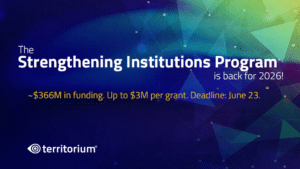
Nearly $366 million. Up to $3 million per individual grant. A June 23 deadline. The FY 2026 Strengthening Institutions Program (SIP) competition is one of the most significant federal funding opportunities in higher education this year, and for eligible institutions, the timing couldn’t be better.
But here’s the thing about SIP funding: the institutions that get the most out of it aren’t just the ones that win the grant. They’re the ones that use it to build something that lasts beyond the funding cycle. Infrastructure. Systems. Capabilities that keep paying off long after the grant period ends.
This year’s competition makes that easier than ever because the priorities the Department of Education is emphasizing are the same ones the broader workforce ecosystem demands.
What the 2026 Competition Is Prioritizing
If you’ve been tracking the shift toward skills-based hiring, employer-aligned credentials, and portable proof of learning, this year’s SIP priorities will look familiar. The competition is emphasizing workforce readiness, short-term credential pathways, responsible AI integration, verified skills, and stronger evidence of student outcomes.
In other words, the federal government is funding exactly the kind of infrastructure that employers, accreditors, and students themselves are asking institutions to build. That’s not a coincidence. And it’s not something institutions should treat as a one-off compliance exercise.
The Real Question Isn’t Whether to Apply. It’s What You Build.
Many institutions will apply for SIP funding this cycle. Many will win. But the difference between a grant that checks a box and one that transforms how your institution operates comes down to one thing: are you investing in durable infrastructure or a short-term fix?
Think about what’s happening in higher education right now. Workforce Pell is gaining momentum. Employers are shifting toward skills-based hiring and demanding better signals from credentials. Students want to know that what they’re earning in the classroom will actually translate into opportunity. And institutions are under growing pressure to demonstrate outcomes in ways that go far beyond completion rates.
SIP funding gives you the resources to address all of that, but only if you’re building systems designed to last.
Where Territorium Fits
Territorium’s platform was built for exactly this kind of moment. Our tools map directly to the priority areas that this cycle’s SIP competition emphasizes, and they work together as a unified infrastructure rather than a collection of disconnected point solutions.
On the credential side, Territorium supports digital credentials, Comprehensive Learner Records (CLRs), Learning and Employment Records (LERs), and a digital credential wallet that gives students portable, employer-recognized proof of what they know and can do. These aren’t just digital versions of paper certificates. They’re verified, interoperable records that travel with learners and speak the language employers are increasingly expecting.
On the workforce-readiness side, our AI-powered career pathways and talent marketplace connect completers directly with employers and opportunities. That means the credential infrastructure you build doesn’t just document learning. It actually opens doors.
And on the responsible AI front, our AI capabilities are embedded thoughtfully across the platform, helping institutions adopt AI at scale while maintaining transparency and trust. That matters because the institutions that figure out how to use AI responsibly now will have a significant advantage going forward.
Why This Moment Matters More Than the Money
Yes, $366 million is a lot of funding. And yes, grants up to $3 million for individual awards and $5 million for cooperative arrangements give institutions real room to invest. But the funding isn’t the whole story.
The bigger story is that the priorities driving this SIP cycle are the same ones that will define institutional competitiveness over the next decade. Workforce Pell readiness. Short-term credential strategy. Employer alignment. Evidence of learning. Responsible AI adoption. These aren’t trends. They’re the new baseline.
Institutions that use this funding to build the credential and workforce infrastructure that supports these priorities aren’t just positioning themselves for a successful grant cycle. They’re positioning themselves for what comes next.
Let’s Talk About Your SIP Strategy
If your institution is exploring the 2026 SIP competition, we’d love to show you how Territorium’s platform can support your approach. Request a demo, and let’s talk through what building durable credential infrastructure would look like for your institution.